The Complete Process for Creating Sudoku Puzzle Books with Vol.28
For content creators and publishers, especially those targeting the self-publishing market, a structured workflow is key to producing quality products efficiently. 1000 Sudoku Puzzles for Adults Vol.28 represents not just a collection of puzzles, but a foundational digital asset designed to be integrated directly into a professional publishing process. It fits into the stage of content acquisition and assembly, providing the raw material necessary for building a finished book.
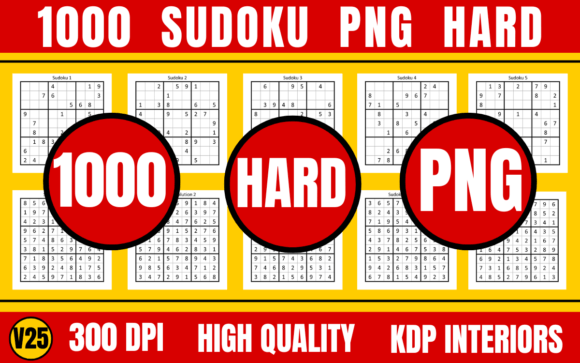
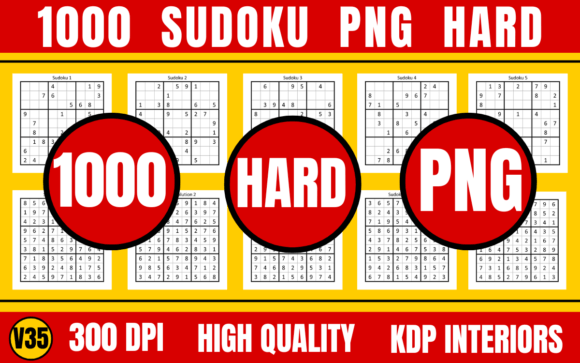
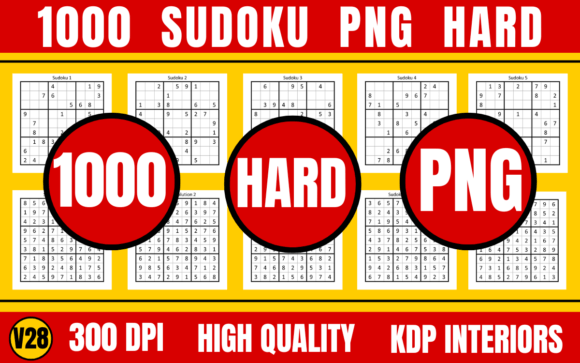
This volume, alongside the companion 1000 Sudoku Puzzles for Adults High Quality PNG Bundle, is engineered for practical implementation. The assets are delivered as individual, high-resolution PNG files for each puzzle and its corresponding solution. This format is specifically chosen for its compatibility with standard design and layout software, eliminating the need for time-consuming conversions or manual grid creation. The organization into two clear folders—one for puzzles, one for solutions—streamlines the workflow from asset selection to final page layout.
Integrating Vol.28 into Your KDP Publishing Workflow
Using these resources effectively requires seeing them as components within a larger system. The typical process for creating a Sudoku puzzle book for platforms like Amazon KDP involves several phases: planning the book's structure, sourcing or creating the puzzle content, designing the interior layout, and finalizing the publication. 1000 Sudoku Puzzles for Adults Vol.28 addresses the most resource-intensive phase: content generation.
Before even opening a design template, a publisher can assess the entire library of 1000 puzzles. This allows for strategic planning. You might decide to create a series of smaller books, each containing 100 puzzles, or a single large compendium. Because the puzzles are pre-classified as "Hard," you immediately understand the audience and market positioning of the resulting book. This decision upfront influences all subsequent design and marketing choices.
Practical Tips for Assembly and Quality Control
The PNG format's primary advantage is its ease of use. You can drag and drop files directly into page layout software such Adobe InDesign, Affinity Publisher, or even straightforward tools like Canva. For a consistent look, establish a master page template first—defining margins, page numbers, and any introductory or instructional text. Then, the integration is a matter of placing PNGs onto the pages in sequence.
A critical part of the workflow is quality control. The inclusion of separate solution files is a major efficiency boost. In your layout process, you can plan to place solutions at the end of the book or in a separate section. Having each solution as a matching PNG ensures visual consistency and eliminates errors from manual answer transcription. Before finalizing, a practical step is to spot-check a random selection of puzzles against their solution files to verify accuracy, a process made simple by the paired folder structure.
Long-Term Resource Management and Scalability
Owning a no-copyright bundle of 1000 assets changes your long-term creative capacity. Unlike licensed content that might have usage restrictions, these PNG files become a permanent part of your content library. This means 1000 Sudoku Puzzles for Adults Vol.28 is not for a single project. After publishing your first book, the remaining puzzles are ready for future volumes, special editions, or even promotional materials.
For entrepreneurs and small business owners in the publishing space, this scalability is crucial. You can develop a brand around puzzle books, using consistent design themes across multiple publications, all sourced from the same core asset bundle. This approach ensures consistency in puzzle difficulty and quality, which helps build reader loyalty. The workflow becomes repeatable: select a new batch of 100 or 200 puzzles from your master folder, apply your established template, and produce a new product with significantly reduced effort.
Complementary Tools and Final Output Considerations
The puzzles themselves are the core content, but the final book's success also depends on effective interaction with other tools. Professional layout software is recommended for precise control over typography and print-ready PDF output. Marketing tools, such as cover design software and keyword research platforms for KDP, are the next steps in the process. The time saved by using pre-made, high-quality puzzles can be reallocated to these vital areas, enhancing the book's overall marketability.
When considering the final user—the adult solving the puzzles—your implementation choices during layout impact their experience. Thoughtful page design, clear numbering, and legible print quality are all downstream effects of starting with a well-formatted, high-quality source. The PNGs ensure the puzzle grids remain sharp and clear at various book sizes, directly contributing to a positive reader experience and reducing the risk of publishing a poor-quality product.
From Digital Files to Physical or Digital Books
The ultimate goal of this process is a finished book, whether printed or digital. The workflow integration points here are clear. Once your interior PDF is created from the placed PNG files, it is combined with a cover file and uploaded to a publishing platform. The efficiency gained from using 1000 Sudoku Puzzles for Adults Vol.28 often allows for quicker iteration and testing. You can publish a first book, gauge sales and customer feedback, and use that data to inform how you assemble the next book from your remaining puzzle library.
For educators, bloggers, or freelancers, these assets can also branch into supplementary workflows. They might be used to create daily puzzle printables for a website, or as content for paid newsletters. The no-copyright status provides flexibility for these diverse commercial uses. The process in these cases shifts from book assembly to digital content scheduling, but the starting point—selecting and exporting the appropriate PNG files—remains consistently simple.
In essence, treating these 1000 puzzles as a professional asset library, rather than just a product, unlocks their full value. By integrating them into a deliberate workflow that includes planning, layout, quality assurance, and long-term resource management, creators transform ready-made content into a streamlined, repeatable publishing operation. The focus moves from the daunting task of creating a thousand puzzles to the manageable process of designing and delivering a polished product to your audience.