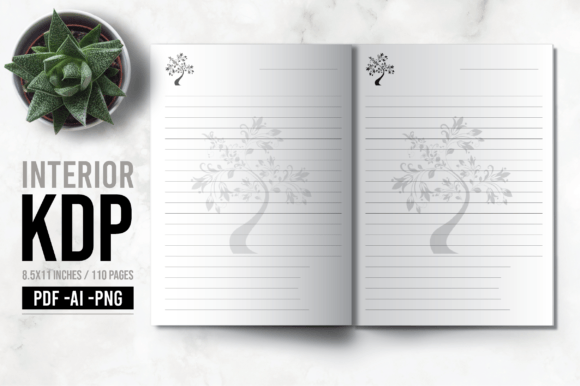
Integrating a Floral Journal into Your Creative Process
In the world of creative work, documentation and organization are not antithetical to inspiration; they are its foundation. For designers, artists, planners, and anyone who works with visual aesthetics, maintaining a coherent thread through a project is crucial. The Floral Journal serves as a specialized tool for this exact purpose. It is more than a simple notebook; it is a structured environment designed to capture the development of floral-themed designs, patterns, and projects. Its primary function is to provide a centralized space for sketching concepts, noting color palettes, recording supplier details, tracking project timelines, and reflecting on creative decisions.
Where the Floral Journal Fits in Your Workflow
Understanding the placement of this journal in your broader process is key to leveraging its full value. It operates as a dynamic companion rather than a static archive. For instance, in the initial phases of a design project—such as creating a series of botanical illustrations for a product line—the Floral Journal becomes the repository for raw inspiration. You might use it to jot down observations from nature, paste in photo references, or create quick thumbnail sketches of floral arrangements. This stage is about capture and divergence, gathering a wide array of possibilities before narrowing the focus.
As the project moves into active execution, the journal's role evolves. It now supports decision-making and consistency. When working on a multi-page publication or a set of coordinated graphics, you can refer to earlier pages in the Floral Journal to ensure color harmony and stylistic continuity across all pieces. It acts as a living style guide, preventing the common pitfall of drifting away from the core visual theme as work progresses. This is particularly vital for projects destined for platforms like KDP (Kindle Direct Publishing), where a cohesive interior layout enhances the final product's professionalism.
Interacting with Digital Tools and Assets
A significant aspect of modern creative workflow is the interplay between analog planning and digital execution. The Floral Journal is designed to bridge this gap seamlessly. The journal's templates and structured pages, especially when using the downloadable PDF with editable fields, can be directly referenced during digital illustration work in software like Adobe Illustrator. You might sketch a complex floral wreath layout in the journal, define its CMYK color codes and 300 DPI requirements on the same page, and then use that precise plan to build the vector file. This reduces guesswork and rework in the digital environment.
Furthermore, when you receive a bundled asset package—such as a ZIP file containing a PDF, AI files, and tested PNGs—the Floral Journal becomes the logistical hub. You can note down which specific AI file corresponds to which journal concept, track the status of each graphic (e.g., "finalized," "awaiting review"), and even plan the upload sequence for KDP. This organizational layer ensures that the transition from creative asset to published product is smooth and error-free.
Practical Implementation for Different Users
The utility of the Floral Journal extends across various user profiles, each integrating it into their routine differently.
For the freelance illustrator or surface pattern designer, the journal might be employed as a client project tracker. Before starting a commissioned floral pattern for a fabric line, they could use the journal to log client brief details, mood board elements, and contractual deadlines. During the creation phase, each day's progress on the pattern motifs can be sketched or described, creating a clear audit trail for the client and a personal record of the creative journey. After project completion, the journal serves as a portfolio piece and a reference for similar future work.
Small business owners, such as those running a stationery shop or a wedding planning service, can use the Floral Journal for product development and branding. When designing a new line of floral greeting cards, the journal helps manage the entire process: initial concept brainstorming, feedback from team members or stakeholders, selection of final designs for the 8.5x11 inch trim size, and quality control checks against the CMYK print-ready PDFs. This systematic approach turns a creative idea into a replicable, scalable business output.
Even educators and hobbyists find a natural fit. A teacher guiding a class through botanical art history could use the journal's structure to plan lesson modules, each linked to specific floral styles studied. A hobbyist engaged in personal garden planning might use it to map out garden layouts visually, track plant purchases, and document seasonal changes, blending a practical record with a creative outlet.
Optimizing for Long-Term Use and Quality Control
The design of the Floral Journal, with its 110-page capacity and clear templates, encourages long-term use. To integrate it smoothly, consider dedicating it to a single, overarching theme or a year-long project. This prevents it from becoming a fragmented collection of unrelated notes. For example, you might designate one journal entirely for "2025 Botanical Brand Development," encompassing all related sub-projects.
Quality control is baked into the process when the journal is used correctly. By requiring you to note technical specifications—like confirming the 300 DPI resolution for PNG files or the CMYK color space for print—at the planning stage, it forces a pre-flight check. This proactive error-catching is far more efficient than discovering a technical flaw after uploading files to a publishing platform. The journal essentially becomes a checklist and a compliance log, ensuring that the final assets meet all necessary standards for their intended use, be it KDP or professional printing.
Workflow Examples and Observations
Consider a concrete scenario: an entrepreneur is creating a floral-themed address book for sale on KDP. Their workflow, integrated with the Floral Journal, might look like this.
- Preparation & Concept: They start by researching trends in floral design and noting popular motifs in the journal. They define the book's trim size (8.5x11 inches) and page count (110) on a dedicated project kick-off page.
- Asset Coordination: Upon downloading the ZIP file with the editable PDF and AI files, they log each component in the journal. They note that the AI files are the master editable sources, the PDF is the KDP-ready interior, and the PNGs are for marketing previews.
- Execution & Adaptation: Using the journal, they plan the layout of each address book page, perhaps sketching where floral borders will sit relative to the address fields. As they work in Illustrator to adjust the AI files, they constantly refer back to these sketches to maintain layout integrity.
- Finalization & Upload: Before uploading the tested PDF to KDP, they use the journal to perform a final review, comparing the PDF against the initial technical notes (CMYK, trim size) to ensure nothing has drifted.
A key observation from such workflows is that the Floral Journal mitigates the cognitive load of managing creative and technical details simultaneously. By externalizing plans, specs, and logs into a dedicated format, you free your mental space to focus on the actual creative act. It also creates a valuable historical record. Six months later, when you want to create a companion journal, you have a complete, searchable document of how the first project was built, what decisions were made, and why.
Ensuring Compatibility and Usability
To achieve this seamless integration, a degree of personal preparation is helpful. Align your journal use with your existing tools. If you primarily work digitally, keep the physical journal or its PDF version open on a second monitor. If you prefer analog, print out key technical specs from the asset ZIP file and paste them into the journal's relevant sections. The goal is to eliminate barriers between the journal and your primary workspace.
The journal's usability is enhanced by its structured format. The presence of designated areas for different types of information—sketches, notes, specs, timelines—reduces the friction of starting a new entry. You aren't faced with a blank page; you are prompted to fill in specific, relevant data. This guided structure accelerates the documentation process and ensures that the information you capture is consistently useful for the later phases of your project.
Ultimately, the Floral Journal is a process catalyst. It doesn't create the floral designs for you, but it creates the conditions for those designs to be developed efficiently, consistently, and with a clear path from conception to publication. By adopting it as a central hub in your creative or professional workflow, you move from ad-hoc inspiration to managed, executable projects, whether your final destination is a KDP bookstore, a client's portfolio, or your own personal archive of accomplished work.